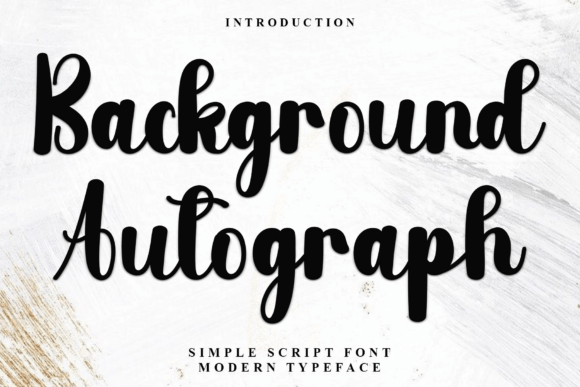
Background Autograph: Your Guide to This Friendly Font
The Handwritten Warmth Behind the Typeface
There’s a distinct feeling you get from a font that doesn’t try too hard. Background Autograph captures that feeling perfectly. It’s a handwritten font built for designers and creators who want to inject personality into their work without sacrificing legibility. Unlike rigid sans serif font families or overly formal serif font options, this typeface offers a relaxed, round aesthetic that feels genuinely human.
Visually, the character set is defined by soft edges and playful strokes. It doesn't mimic the jagged urgency of a quick note; instead, it feels like a carefully composed signature. This makes it a versatile creative font. Whether you are working on logo design for a boutique brand or crafting social media graphics for a lifestyle blog, the font provides an immediate sense of approachability. It bridges the gap between casual doodles and professional modern typography, allowing you to communicate warmth while maintaining a polished look.
Practical Applications: From Brand Identity to Packaging
Choosing the right premium font often comes down to context. You wouldn't use a heavy blackletter typeface for a yoga studio, just as you wouldn't use a delicate script font for construction signage. Background Autograph excels in environments where connection and friendliness are the primary goals.
Branding and Marketing
For entrepreneurs and small business owners, brand identity is everything. If your brand voice is conversational and supportive, this font helps solidify that perception. It works exceptionally well for:
- Logo Design: It creates a memorable mark for lifestyle brands, cafes, or creative consultancies.
- Packaging Design: On physical goods, the hand-drawn aesthetic suggests care and craftsmanship. Think artisanal foods, cosmetics, or stationery.
- Web Design: Use it for headers or call-to-action buttons to soften the digital experience.
However, as a display font, readability is key. While Background Autograph is legible at larger sizes, it is not designed for long-form body copy. Stick to using it for headlines, sub-headers, and pull quotes. Pairing it with a clean, geometric sans serif font for your paragraphs is a standard best practice. This creates a strong visual hierarchy, allowing the personality of Background Autograph to shine without overwhelming the reader.
Digital Content and Editorial Design
Content creators and publishers will find this typeface useful for editorial design. It breaks the monotony of standard text layouts. When used in digital magazines or e-books, it can highlight key takeaways or section dividers. For social media graphics, it is a powerhouse. Instagram stories, Pinterest pins, and Facebook ads often rely on quick, emotional connections. The friendly nature of this font grabs attention and encourages engagement without feeling like a hard sell.
Technical Integration and Workflow Efficiency
A beautiful font is useless if it doesn't fit into your workflow. One of the standout features of Background Autograph is its technical compatibility. It comes equipped with standard PUA (Private Use Area) Encoded glyphs.
In practical terms, this means you can access all the special characters and ligatures regardless of the software you use. Whether you are a veteran designer in Adobe Illustrator or a hobbyist using Canva, the full character set is available to you without needing specialized OpenType knowledge. This makes it a highly functional design asset.
When evaluating this commercial font for a project, consider the following workflow tips:
- Check the License: Ensure the license covers your specific usage, whether it's for a single client project or a mass-produced merchandise line.
- Test the Pairing: Before finalizing, test Background Autograph against your secondary typeface. Ensure the x-heights complement each other so the text blocks look balanced.
- Review Glyphs: Open the glyphs panel to look for alternate characters. Many premium font files include stylistic alternates that can add a unique flair to specific letters.
Ultimately, the goal of modern typography is to support the message, not distract from it. Background Autograph succeeds because it understands its role. It is the friendly face of a brand, the welcoming header of a website, and the personal touch on a greeting card. By integrating it thoughtfully into your design system, you elevate the user experience and build a stronger, more relatable visual identity.